The Liffey Walk. A river walk from emigration to modern Ireland

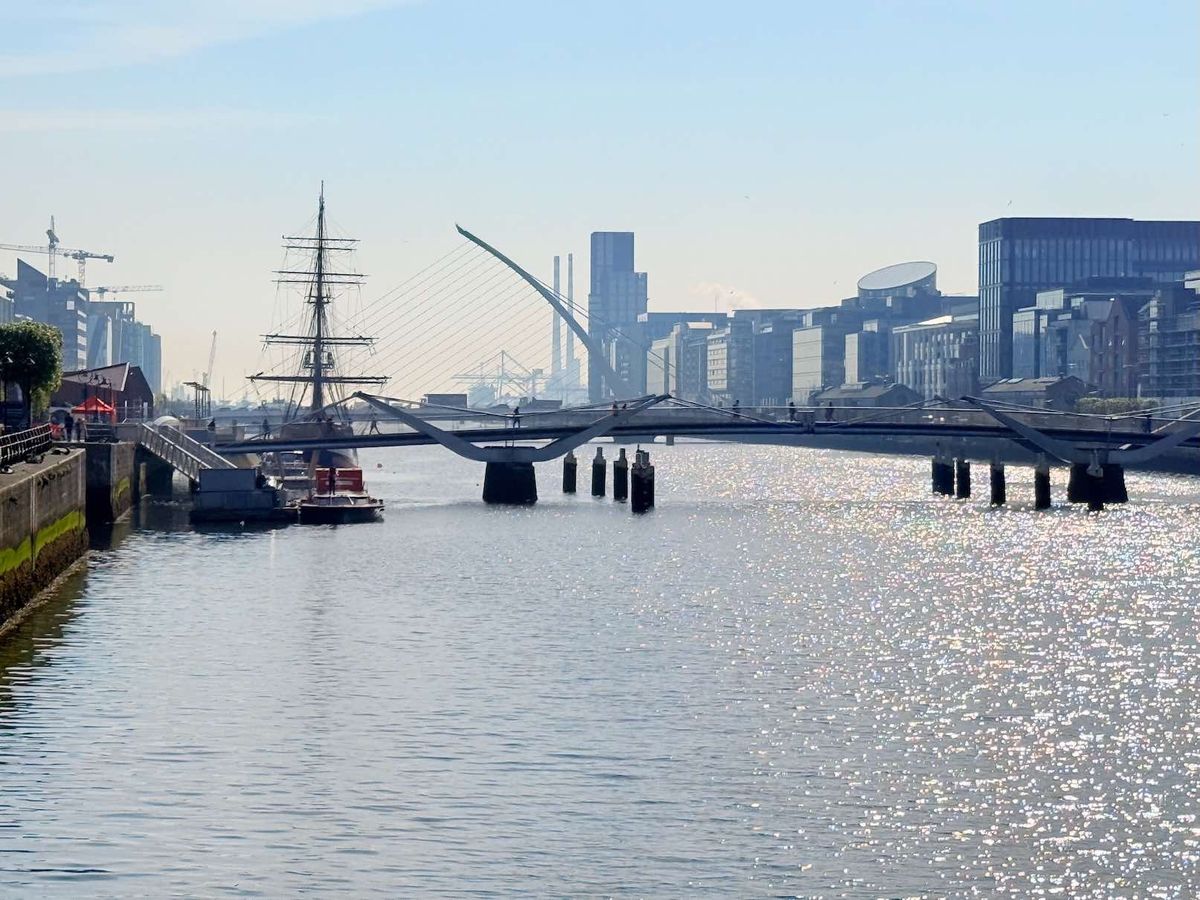
The Liffey is the river that runs through central Dublin. It's impossible to miss, which makes this the easiest of my Dublin walking routes to follow.
This walk begins with famine and emigration, but ends in the Docklands, home to the offices that have changed Ireland’s fortunes so now we don’t need to emigrate anymore.
Plus, it's just nice to walk along the river.
Dublin Without Maps
Dublin's twisted streets confuse visitors. Vikings cities weren't built for tourists. My solution is walks which follows one main street (or river). Like a walking subway line. Never worry about getting lost!
Three walks will show you everything you need to see in Dublin City.
- Dame Street Walk. From Trinity to Guinness & all the famous sights.
- The Grafton Street Walk. Where locals go in Dublin.
- The Liffey Walk. A river walk from emigration to modern Ireland.
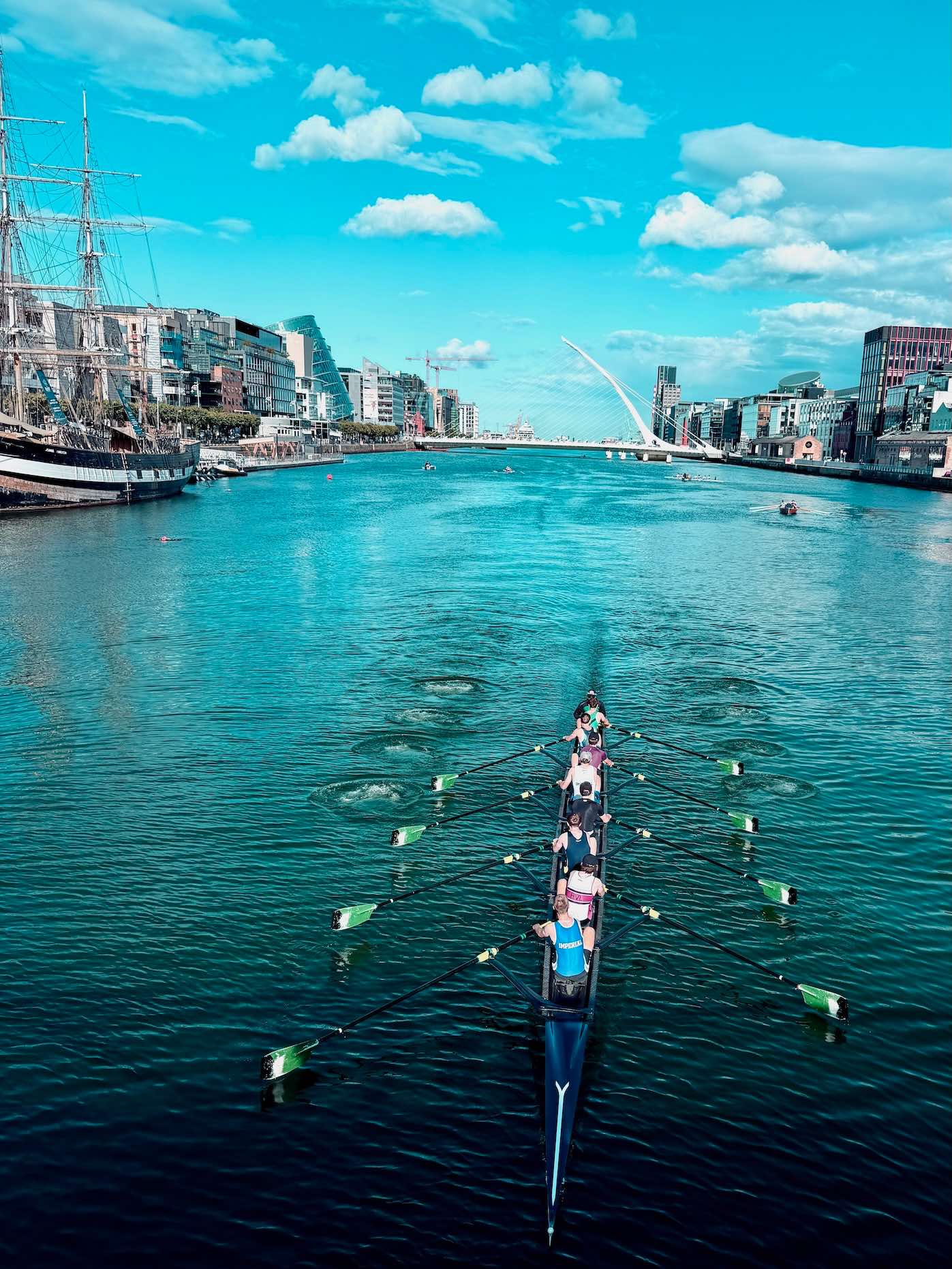
The Route
Trinity College to The Liffey
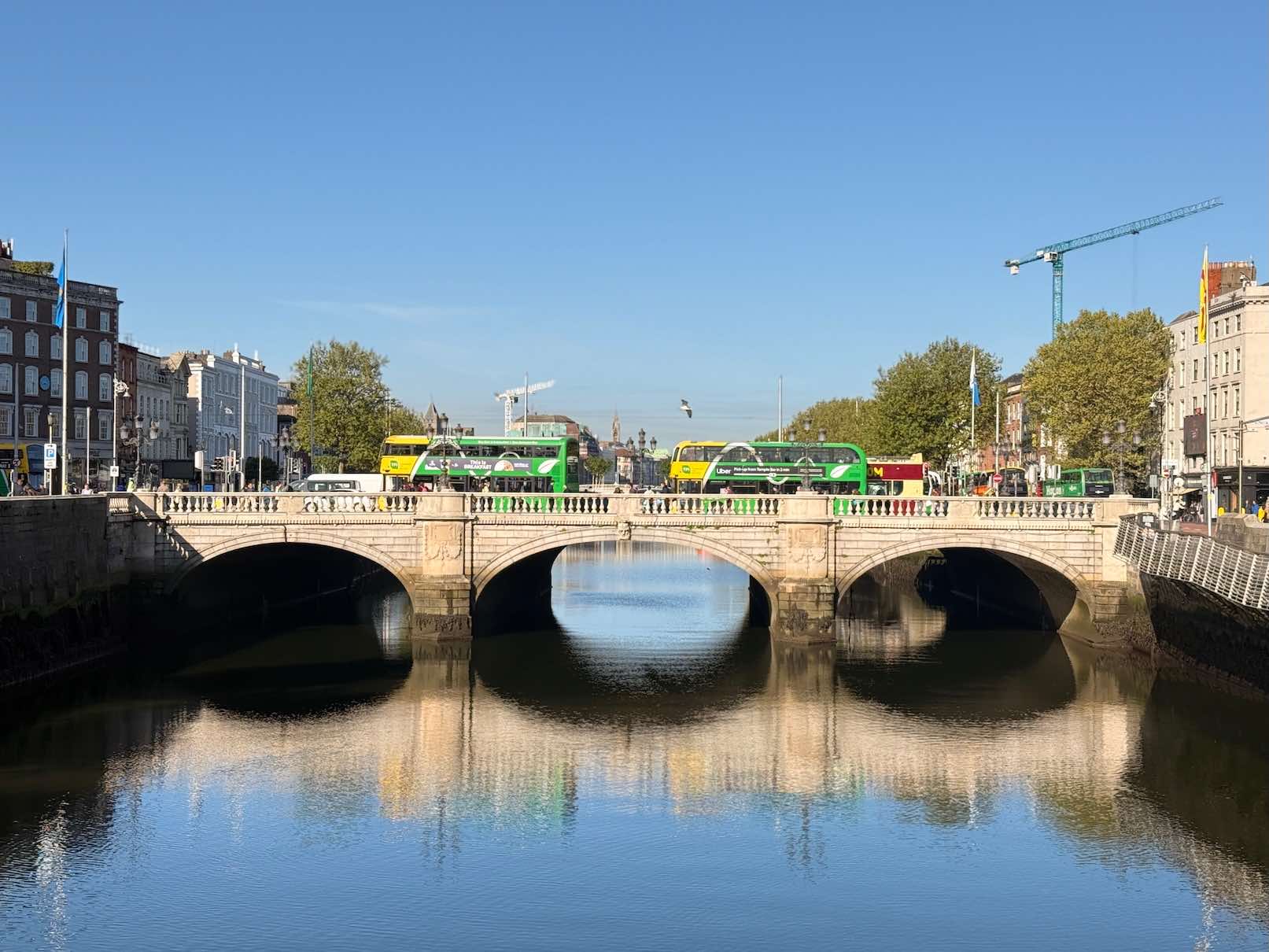
All my routes start at Trinity, the central landmark of the city. Walk from here to the River Liffey, crossing O'Connell Bridge.
Pause on the bridge and look left. You'll see the Ha'Penny Bridge, Dublin's most famous bridge, with chimneys of the Guinness Brewery in the distance behind it.
O'Connell Bridge is wider than it is long! I feel like that some days too.
Ahead of you is O'Connell Street and the Dublin Spire. But you're turning right along the river boardwalk.
Dublin Customs House
Built in 1791, burned down in 1921 during the Irish War of Independence. The original dome collapsed and when it was rebuilt by the newly liberated Irish Free State, they replaced the original English stone with Irish stone 🇮🇪. Look up and you can see the difference in colour.
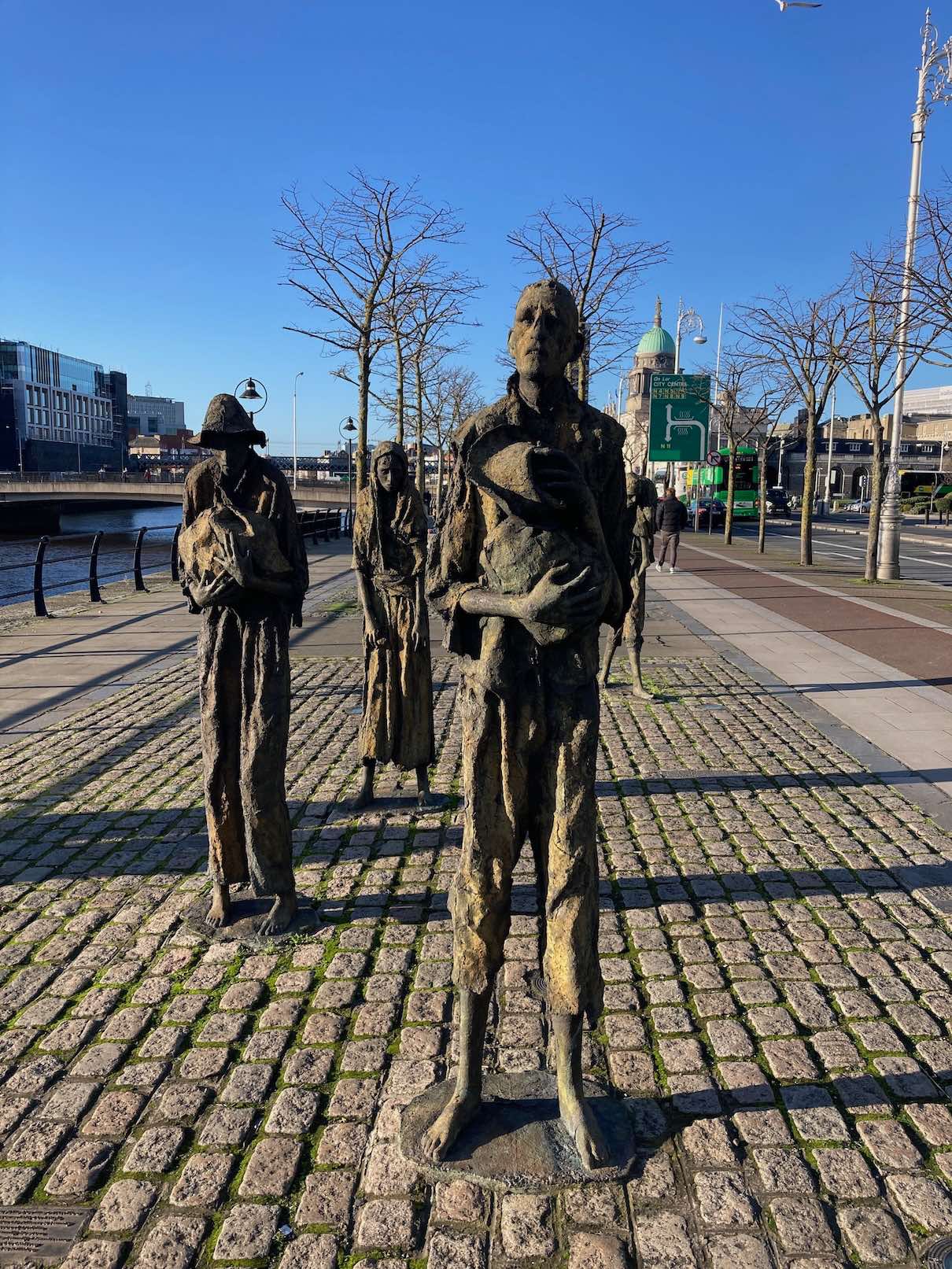
The Famine Memorial
An Gorta Mór, the Great Famine, began in 1845. It was an entirely preventable tragedy in Irish history and may be the reason that your ancestors left Ireland. You've probably never felt hunger from a statue before. You will here. Look at those bare feet, the rags, the gaunt looks.
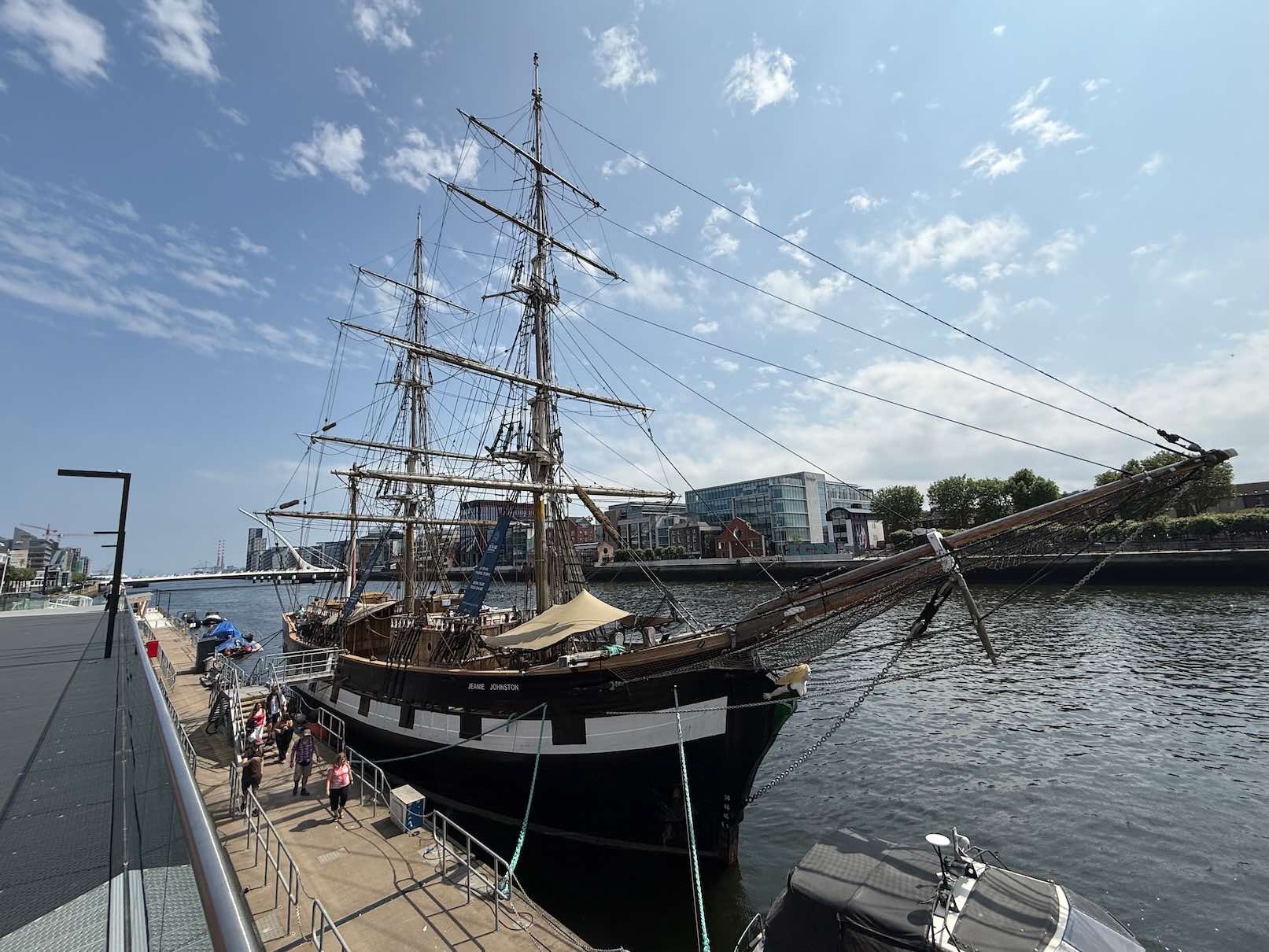
Jeanie Johnston Famine Ship
Over a million people left during the Famine and following years. This is a full scale replica of one of the ships that brought them to the New World.
You learn so much about the story of Ireland. It's the more powerful than any museum. You walk through it, touch it, feel it and are glad to get back on deck.
An unmissable tour in Dublin.
🎟️ Book your tour of the Jeanie Johnston
EPIC Irish Emigration Museum
This is the world's first fully digital museum, so no dusty exhibits. The exhibit may be modern, the location is in a 200 year old basement vault that used to store wine & tobacco. It's a cool building to walk through.
EPIC tells the story of Ireland's emigration (sad) but also the positive impact that Ireland and our diaspora have had around the world (happy).
I like how they do away with the old Irish stereotypes which unfortunately still exists and show how successful Ireland is. Here is my review of my visit to EPIC
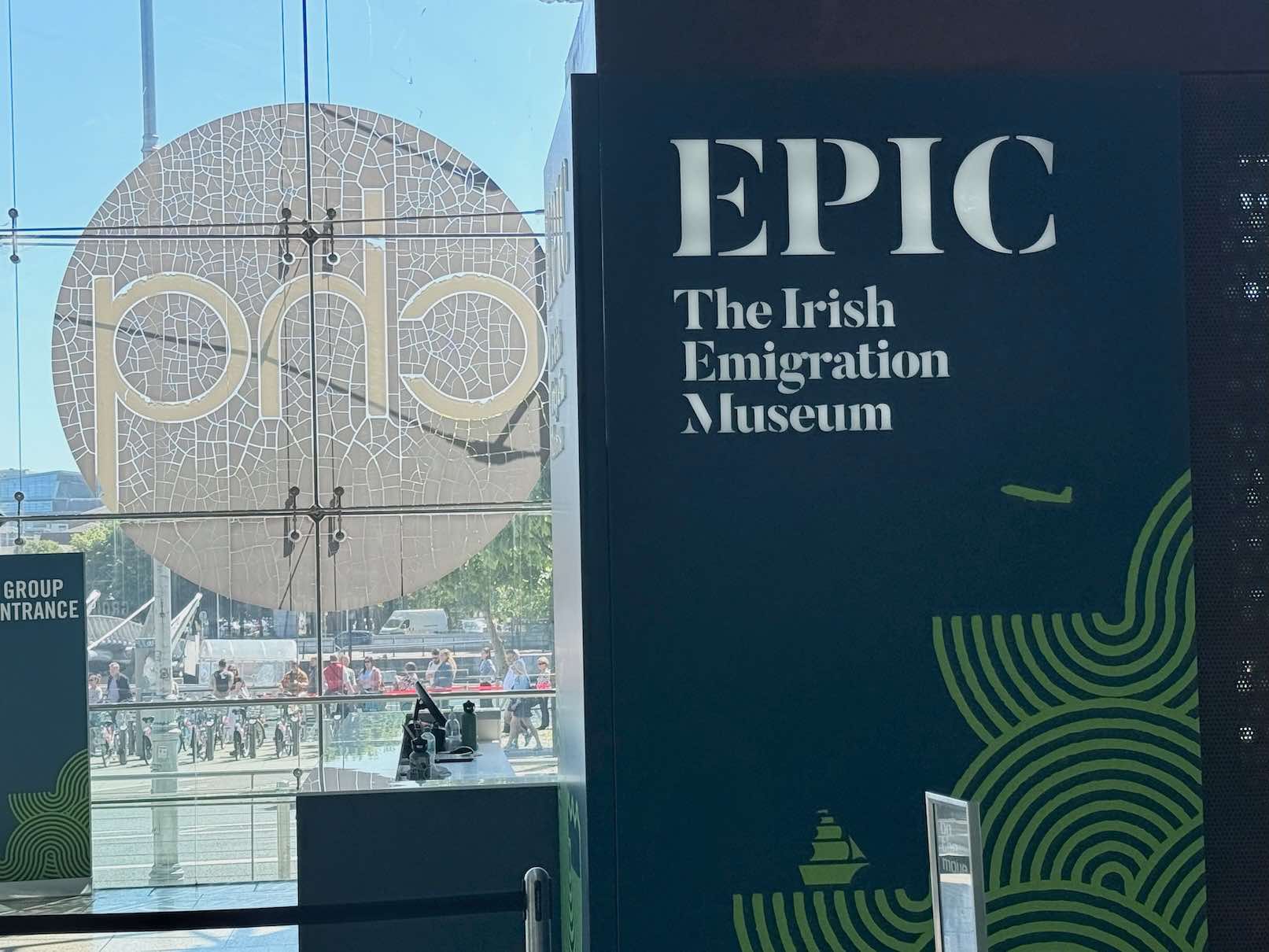
CHQ Building
The CHQ building (where EPIC is) is a place I spend a lot of time in between my walking tours. It has all the essentials, bathrooms, wifi, lockers and really good places to eat.
Tír is my favourite. Tír means land or ground. Their ingredients come from the land in Ireland. A small menu with locally supplied, high quality food.
The Bouncy Bridge
Run across the Sean O'Casey bridge next to Jeanie, jump up and down on it to feel it bounce. Don't worry, you won't look silly. Then come back.
The Harp Bridge
The Samuel Beckett Bridge was built in The Netherlands and transported by barge as-is and dropped in place.
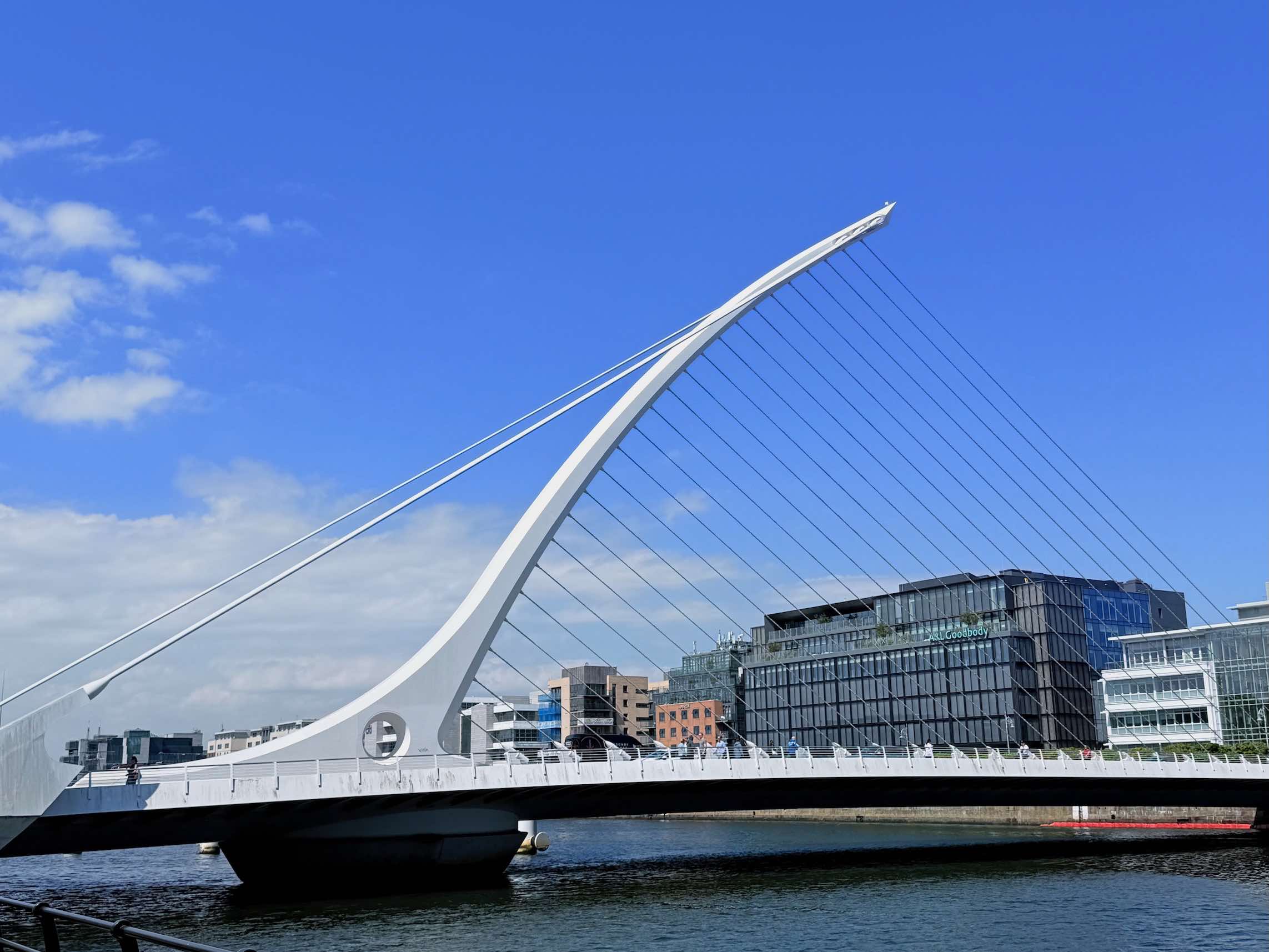
It was designed to look like a harp. Ireland is the only country in the world with a musical instrument as our national symbol.
The Poolbeg Chimneys
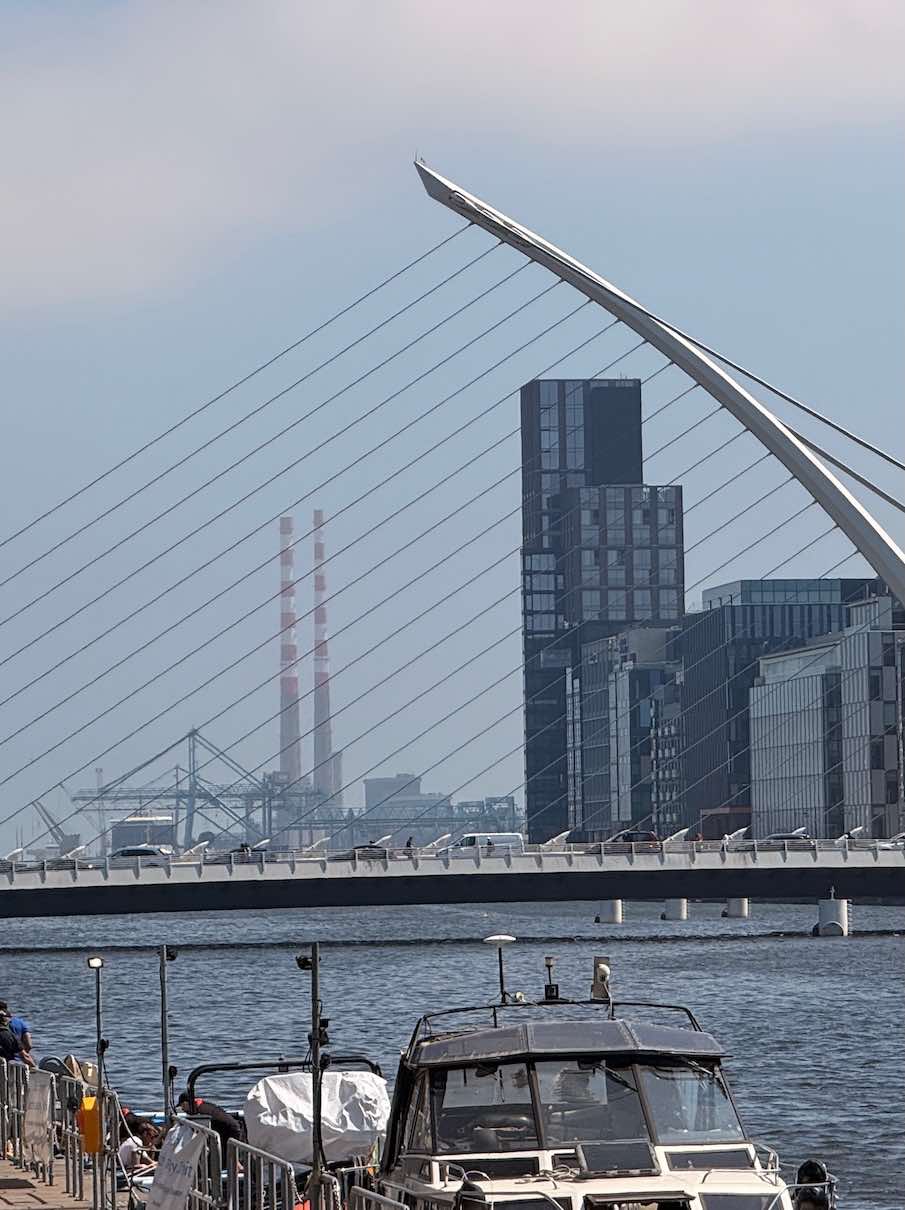
Dublin doesn't have an Eiffel Tower. Instead, our most striking vertical landmark is the chimneys of a disused power plant. Dubliners love these red and white towers, you'll often spot them out the left side of the plane as you land. One is wider than the other, look closely and you'll see it.
The Docklands
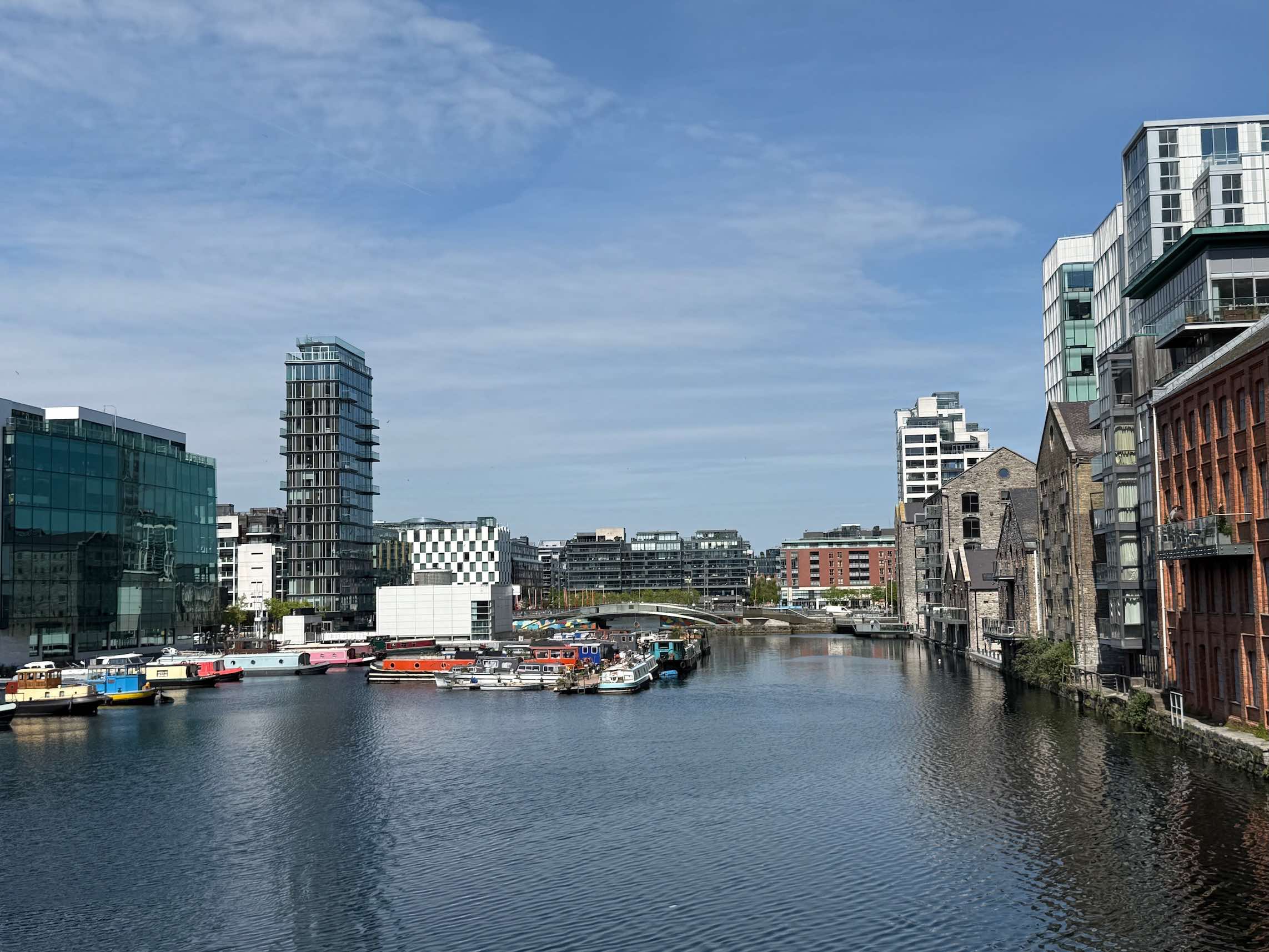
For generations, Ireland's biggest export was our people. But walk through the Docklands today, and you're looking at a global economic powerhouse. This area, nicknamed Silicon Docks, is home to the European headquarters of Google and Meta.
But it's not just tech. Ireland controls 60% of the world's aircraft leasing market. An Irish-leased aircraft takes off somewhere in the world every two seconds. Their offices are here too.
Admiral William Brown Statue
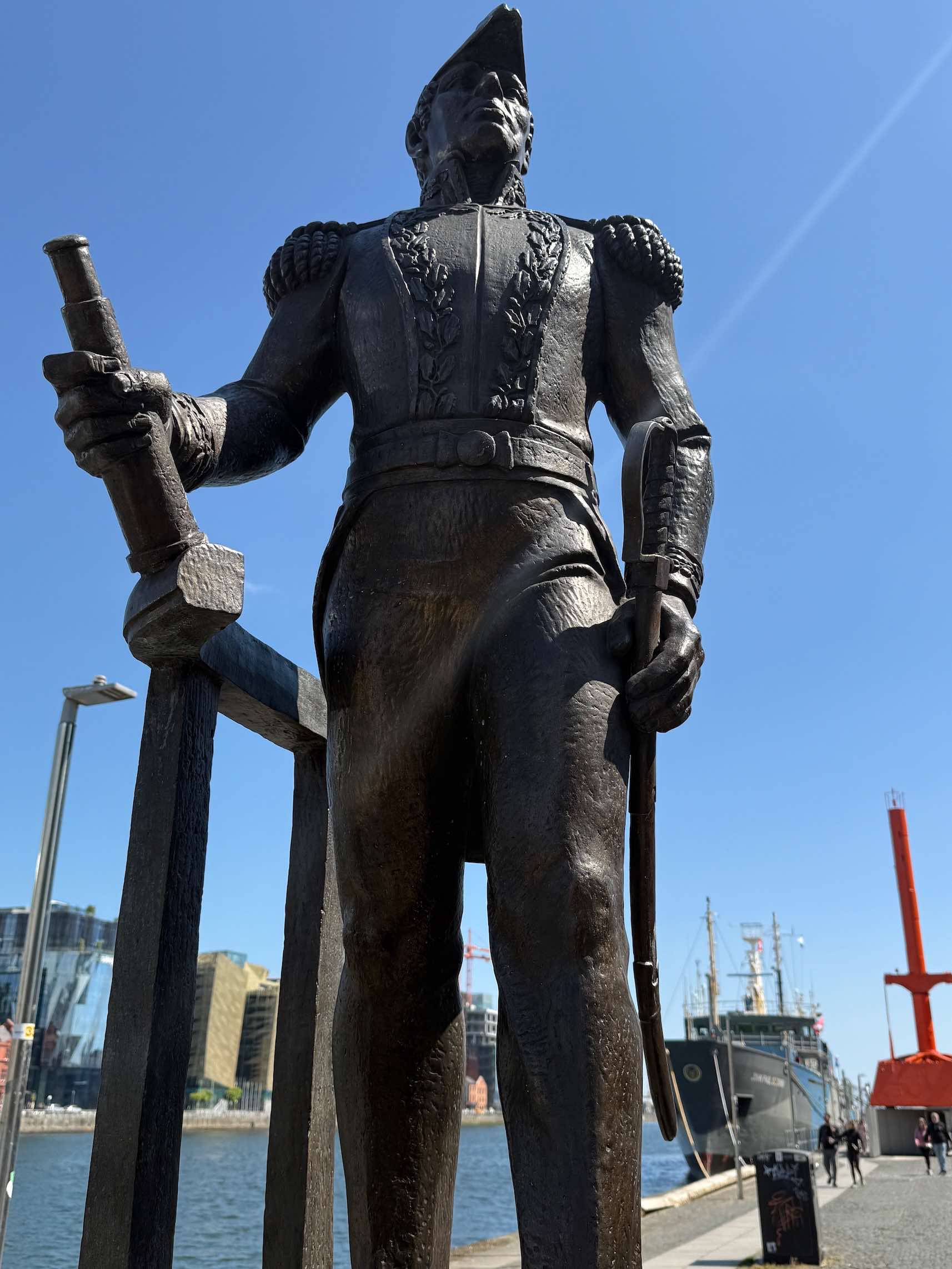
Meet Admiral William Brown, born in Ireland and regarded as one of Argentina’s greatest national heroes. Here we have a statue and an annual festival in his home town in Mayo.
The Diving Bell
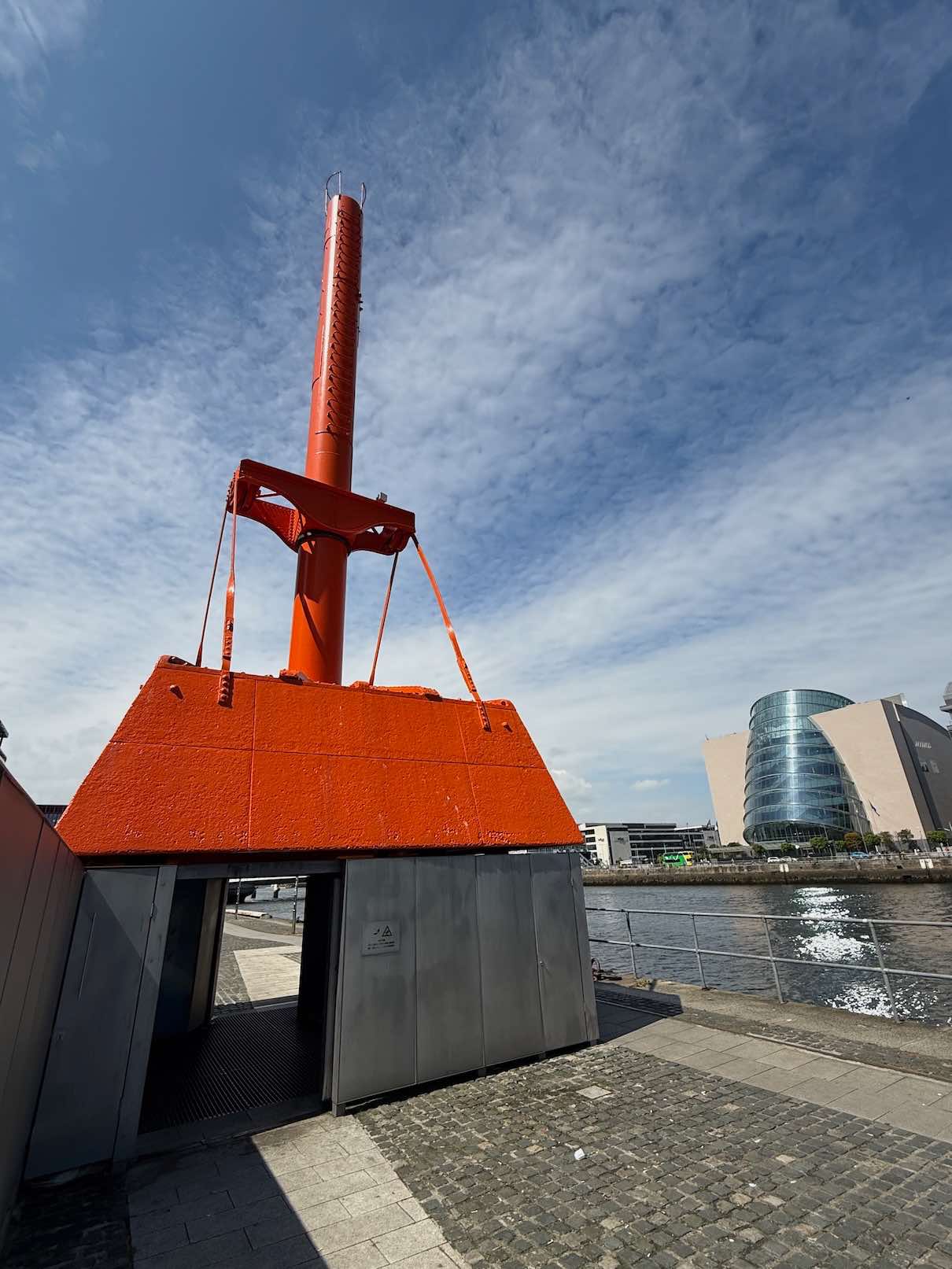
The large orange structure along the quays is a diving bell. If you thought your job was tough, imagine the poor folks who worked in this bell. Like an upside down glass, it was lowered down to the river bed and the water sucked out to allow workers underneath it. Cool but claustrophobic.
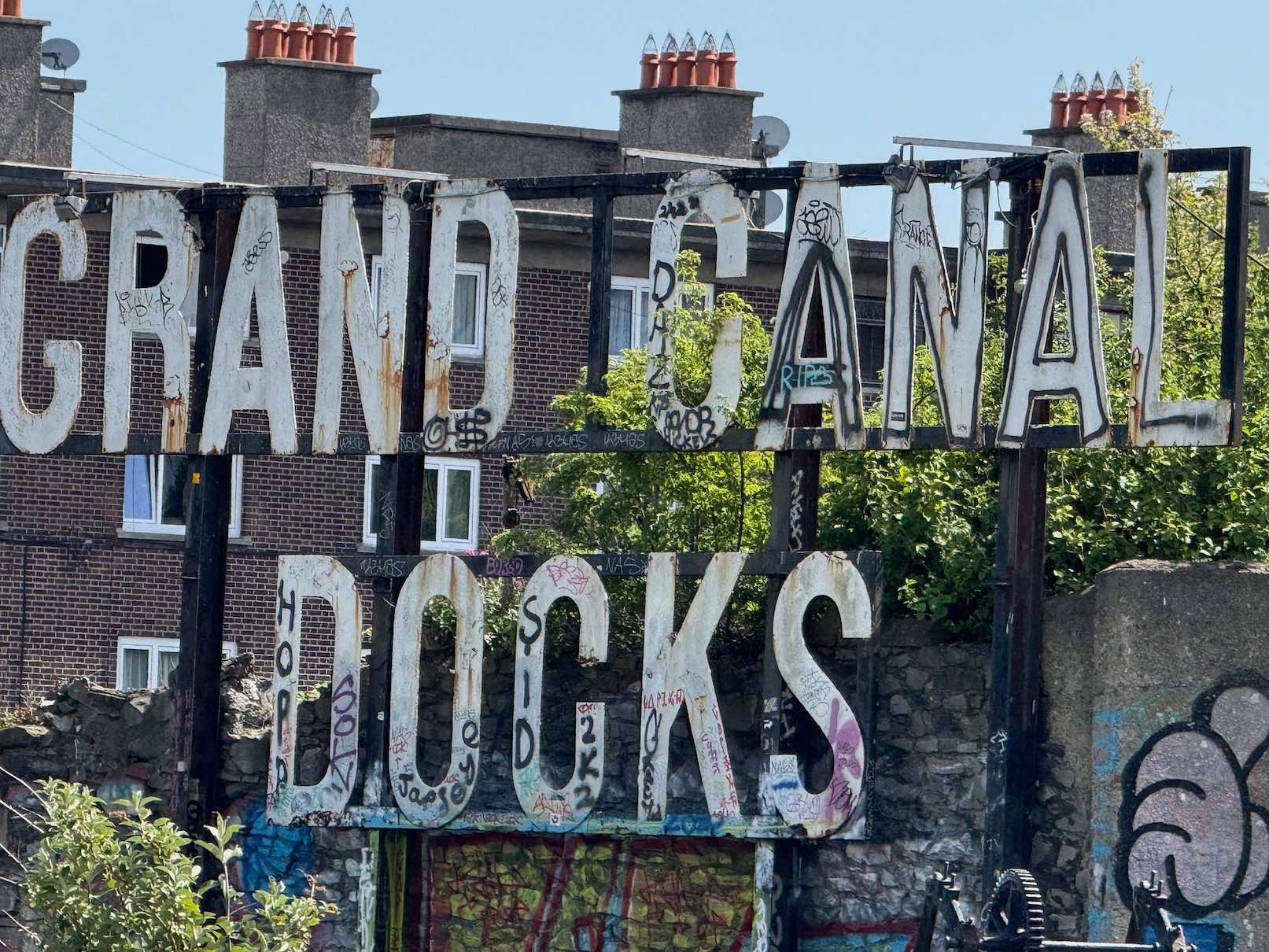
Grand Canal Dock
Just around the corner on Hanover Quay sits the holy grail for U2 fans. For nearly thirty years, an unassuming brick warehouse here was the band's primary recording studio. It's been knocked down now though.
The Bord Gáis Theatre is here, catch a Broadway musical when you're here.
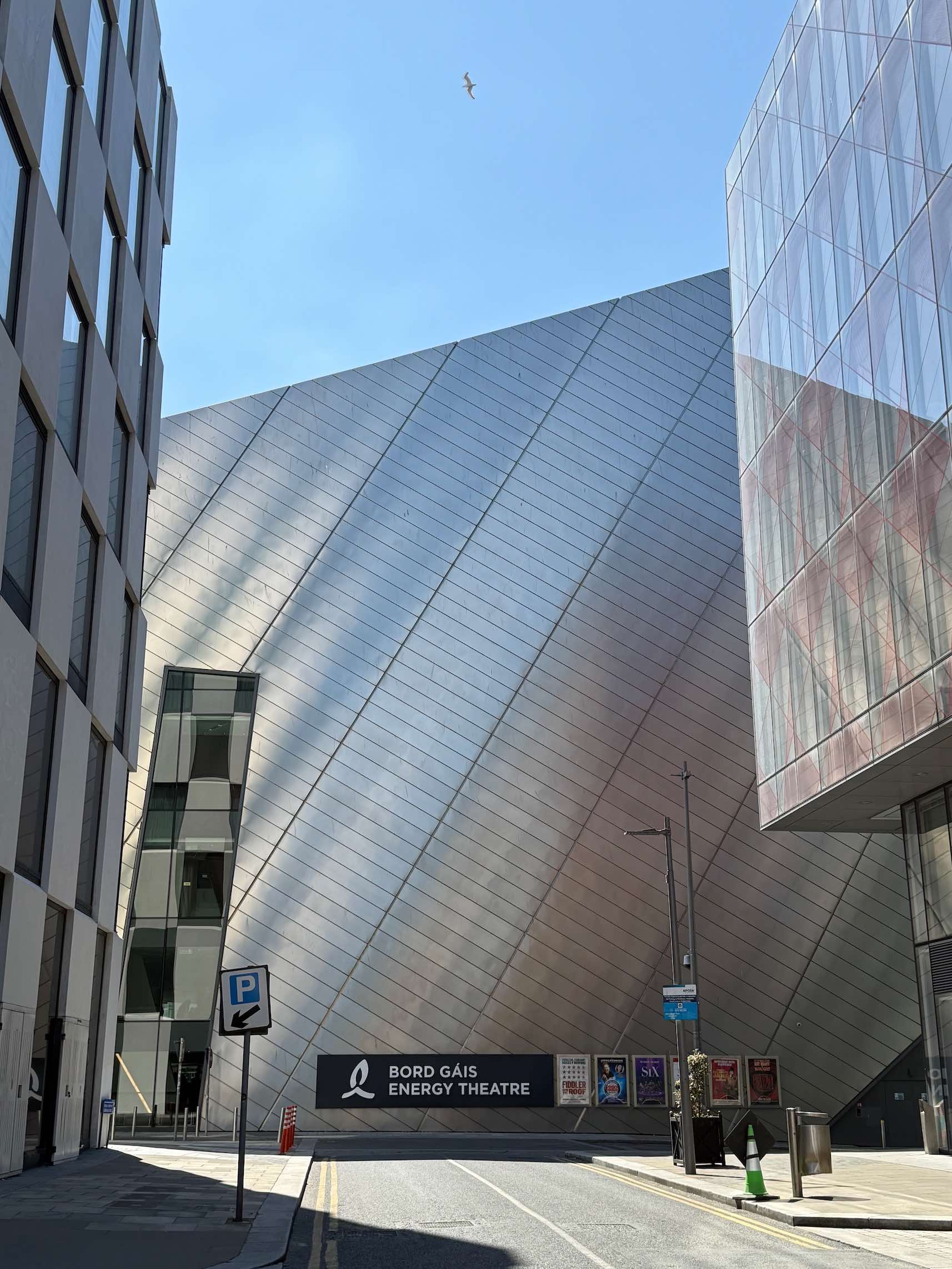
Grand Canal Dart Station
Take the DART train 5 minutes back into the city centre.
The Dublin Jet Lag Walking Tour
You can walk the Liffey walk on your own, but it’s always better to have a local show you around. We come here on my Jet Lag tour, which is designed for people who have just landed in Dublin. I will show you Dublin's best sights, including the Liffey Walk, as you wait for your hotel room to be ready to check-in.
👉 Full details of the Jet Lag Tour
Eat & Drink
☕ Mr French is a superb coffee shop.
🍺The Ferryman is a legendary Dublin pub.
🍸The rooftop bar of the Anantara Marker Hotel is very stylish.
🥪 Carved does "sandwiches by chefs".
🍽️ Nutbutter has a plant based menu.
🍽️ Herb Street has a loyal following.
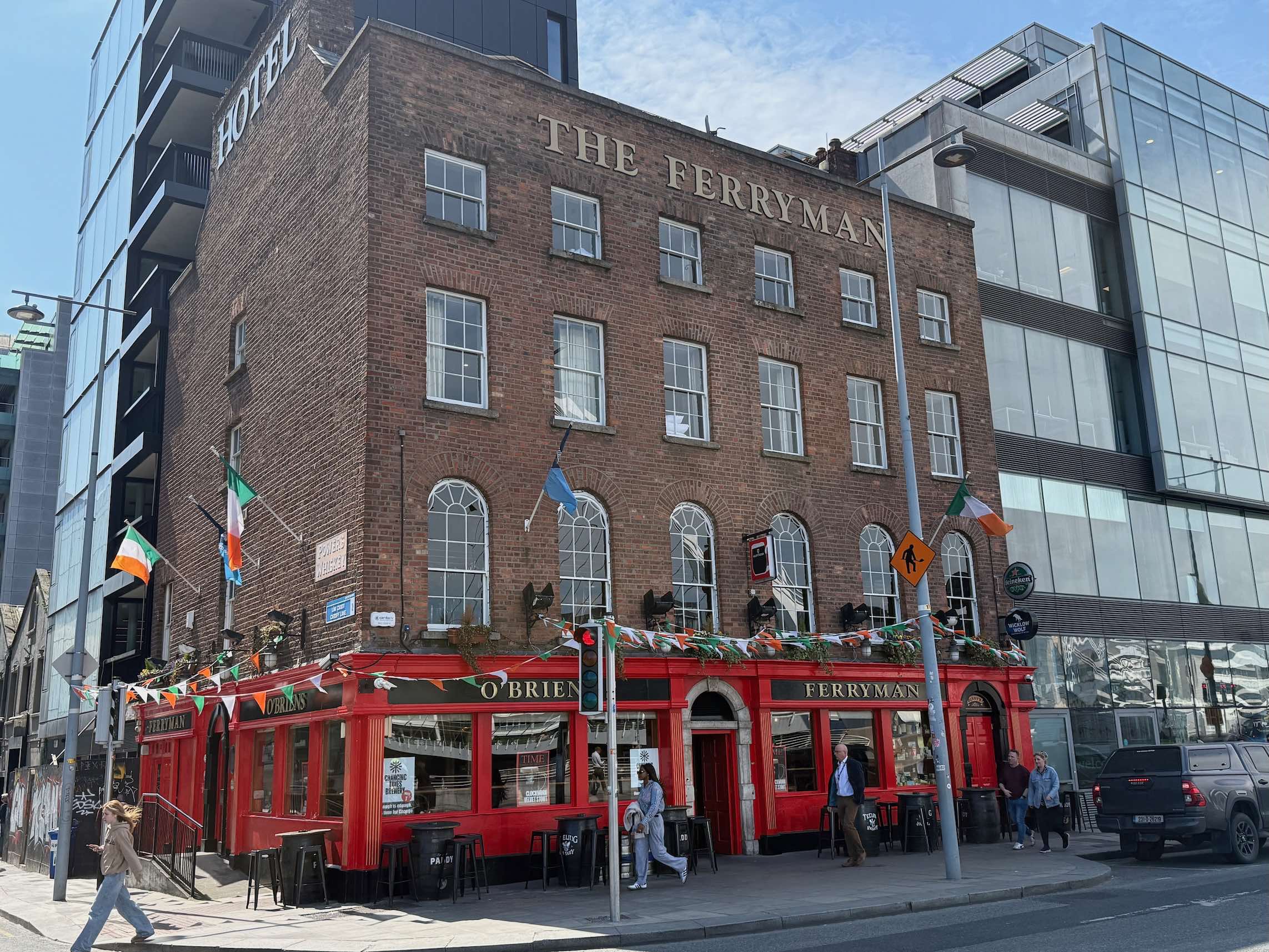
Stay
This wouldn't be my top area to stay because it's more of a commercial area. Here's my guide to best areas to stay in Dublin. But if you are staying here, your company is probably paying for it, so stay at:
🛏️ Anantara Marker Hotel - Five star for a reason
🛏️ Hilton Garden Inn - For the Hilton loyalists and it's close to town.
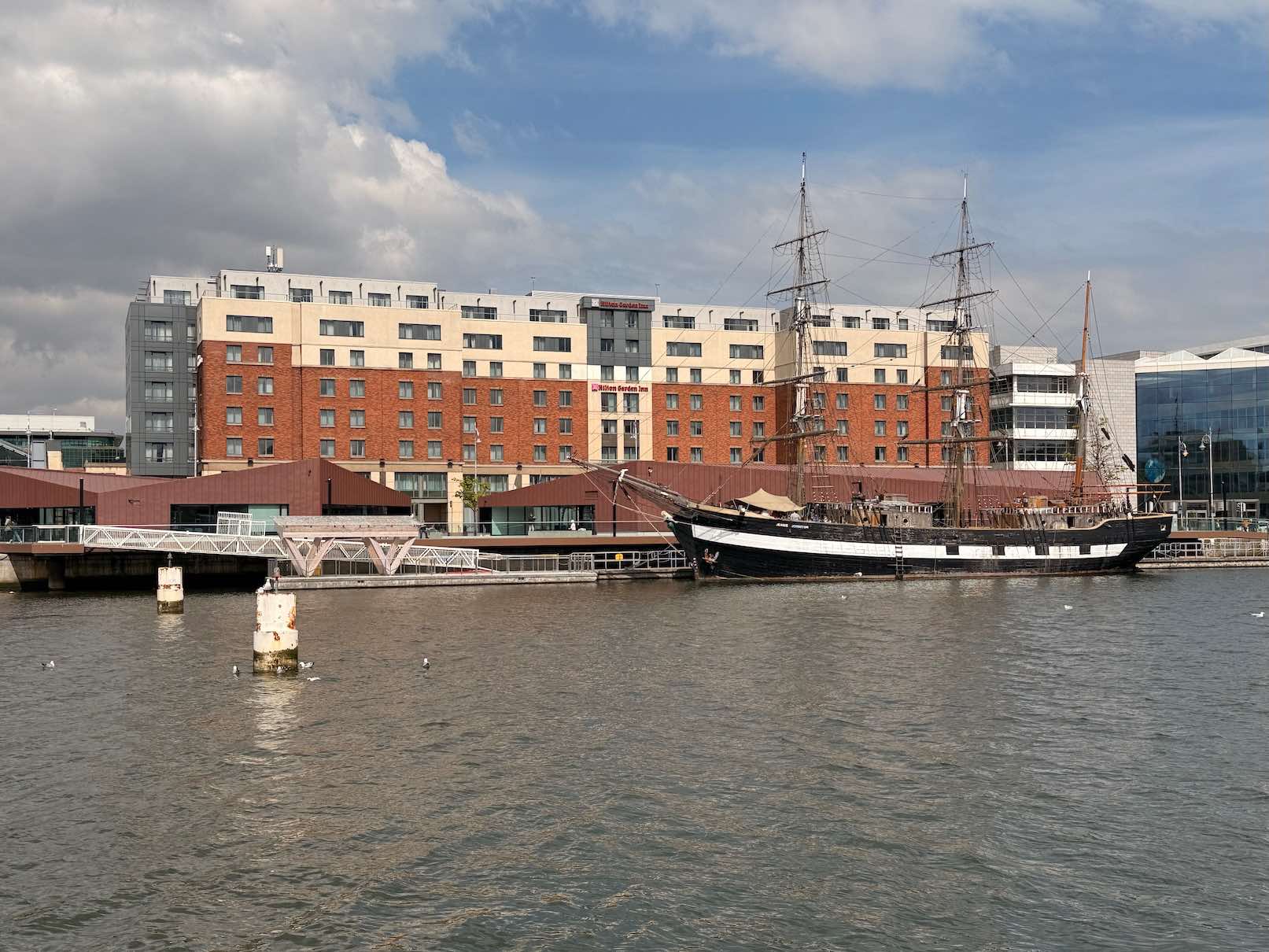
The Details
Distance: 3km. All flat
Time: You can walk the route in 90 minutes, but make a half day of it with lunch at Tír, a tour of the Jeanie Johnston and EPIC.
Getting there: Walk from Trinity College.
Getting back: DART train from Grand Canal Dock at the end of the walk. Same line, back to the city in 5 minutes. Or walk back in 30.
The Other City Walks
- The Dame Street Walk - From Trinity to Guinness.
- The Grafton Street Walk - Where locals go in Dublin