10 Things To Know Before Renting a Car in Ireland

I Didn't Want To Write About Car Rental In Ireland
I've put off writing this post because car rental is painful. Simple as that.
But I answer a lot of questions in Irish travel Facebook groups, and rental cars & insurance is the question that comes up more than almost anything else.
- I'm going to explain the general overview here but am going to give a massive bold print disclaimer!!
I am not an insurance advisor. Policies change, terms vary by company, and your situation is unique. Always read the full policy documents and check your credit card benefits before you travel. - You'll see quotes below. These are directly from people in the Facebook group based on their actual experiences in Ireland.
- You need separate travel & medical insurance aside from car rental insurance. I write about that here.
The Three Important Coverages
Before we get into the detail, you need to understand these three things.
1. Third Party Liability (TPL).
Covers damage you cause to others. This is mandatory and included in every Irish rental quote.
2. Collision Damage Waiver (CDW).
Covers the rental car itself. Without CDW, you’re on the hook for the whole car if it’s totaled. With CDW, you only owe the 'excess' (the deductible), which is usually a few thousand Euro. Note: Standard CDW almost never covers tires, glass, or the underbody.
3. Excess Protection / Super CDW.
Get this and your excess drops to zero or similar instead of a few thousand.
My Ten Rules To Renting A Car In Ireland
Rule 1: Third Party Liability Is Mandatory in Ireland
Third Party Liability is required by Irish law. This is the one piece of coverage you never have to think about.
Rule 2: CDW Is Actually Not Insurance But You Need It
CDW is not actually insurance. It's a waiver where the rental company agrees to not come after you for the full replacement cost of the car. With CDW, your liability is capped at the excess.
Without it, you're liable for the entire value of the vehicle.
If your quote looks too cheap, it probably doesn't have CDW. If you show up without CDW or a letter proving you have coverage, they won't give you the keys unless you pay their much higher walk-up rates.
Rule 3: CDW Was Not Created For Irish Roads
CDW does not cover tyres, wheels, windscreens, underbody, roof, mirrors, keys, or misfuelling. Which is shame because broken mirrors, scratches from hedges, and cracked windscreens from loose gravel are very common here.
If you want peace of mind, you need more than CDW.
"We did not meet one American or Canadian that didn't have some damage to their rentals. It was kind of a running joke of how did you knock your mirror off."
"I was charged $800 a few years ago for a scratch on a tire."
Rule 4: Excessive Holds
The excess is the amount you pay out of pocket if something happens. Your deductible. The rental company holds this amount, and sometimes significantly more, on your credit card when you collect the car.
"They put a $6,000 hold on my card. If you don't have enough available credit, take the car company insurance."
Rule 5: Pay Extra For Less Stress
You can reduce the excess from thousands down to hundreds or zero by buying additional coverage. You'll see this coverage called different things like Super CDW, Excess Waiver, Excess Protection, Damage Waiver.
Different names, same idea.
- If you have it from a third party: Bring a printed copy of your policy. The counter staff will not look it up for you, and "I have it on my phone" often isn't enough to stop the sales pitch.
Me? I always get full insurance. Not even a tough decision. I want to relax on holiday not remember insurance clauses.
"We got the full insurance from the rental company and the agent said we could bring back a tuna can and we'd be covered. We were happy we did because we did bust one of the side mirrors. It was no issue at all."
"We budget about $45 per day for complete coverage. It's worth it to us to be able to turn in keys and a hub cap and have no arguments about damage."
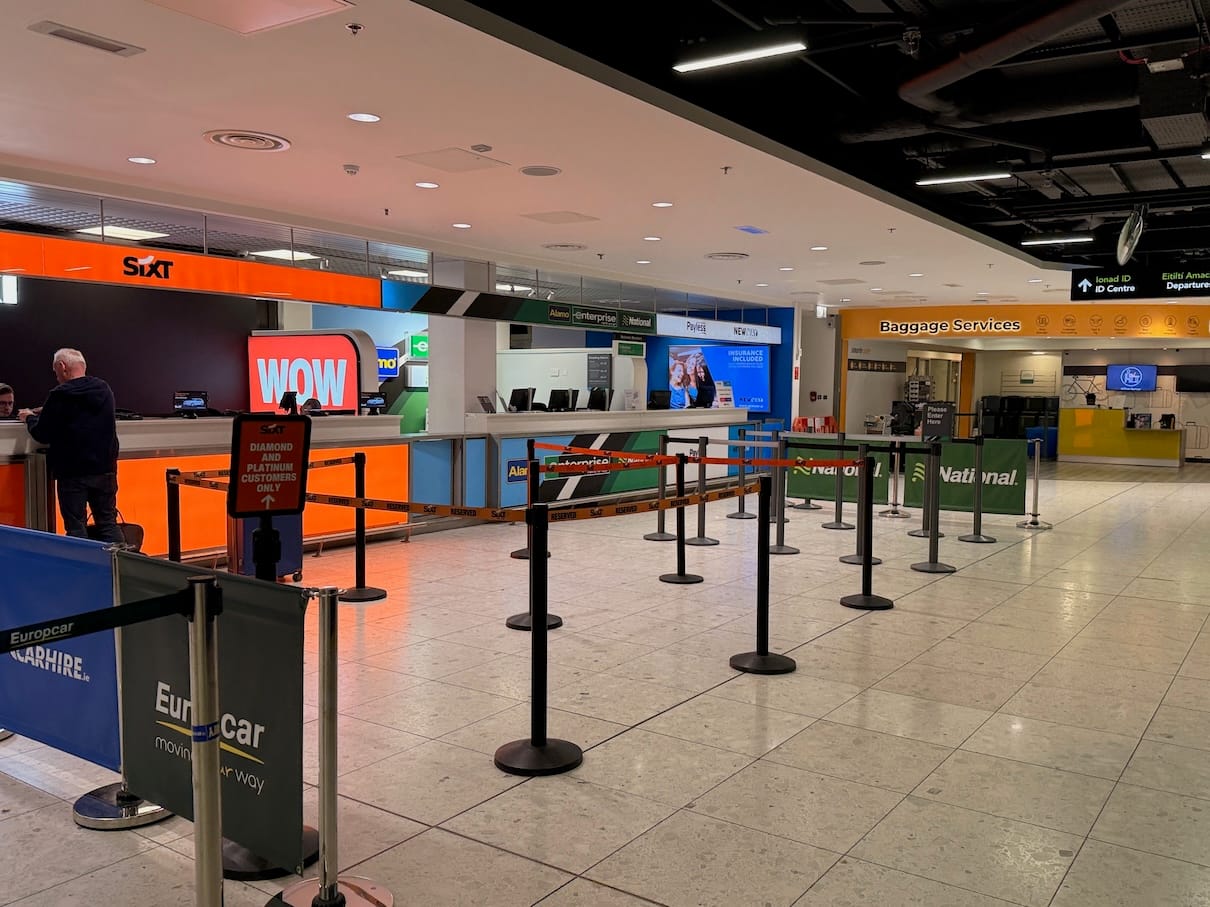
Rule 6: The Three Options To Book Your Car
1. The All-Inclusive Companies
Rent from an all-inclusive company like My Irish Cousin or NewWay. Everything is included: CDW, excess protection, tyres, glass, roadside assistance.
You pick up the keys and drive. If you clip a mirror, you just hand back the keys and walk away. No credit card holds, no inspections.
You pay for that privilege. They can be the most expensive, but not always.
"Someone hit me while I was parked. When I returned it they made a note and I never heard anything again."
2. The Low-Cost Aggregators
DiscoverCars is the world's biggest rental car comparison site. They negotiate lower rates with all the main rental companies, so you're often paying less than you would booking direct for the exact same car.
Can you trust them? They are rated 4.6/5 from 250,000 reviews on TrustPilot.
3. Booking Direct (The Middle Ground)
Go to the likes of Hertz, Enterprise, or Sixt directly. Surprisingly, they can be more expensive than the aggregators for the same car.
Check prices here
Rule 7: But I Have Insurance With My Credit Card
Many US credit cards include rental car coverage, but the details vary and Ireland is not always covered.
I absolutely recommend that you call the number on the back of your credit card and ask these questions before you rely on them for your insurance.
- Does my coverage apply in Ireland & Northern Ireland ?
- Is my rental car coverage primary or secondary outside the United States?
- Does my coverage apply when CDW is included in the base rental rate and can't be declined?
- Are tires, wheels, windows, and underbody damage covered?
- What's my coverage limit?
- Do I need to register my trip or file anything before I travel?
- How does the claims process work, and how long does reimbursement take?
Remember CDW usually doesn't cover the most common Irish damages of mirrors, wheels and tyres. Rental companies often charge a fee if you use credit card coverage, it's not much, about €30-50.
Remember, the underpaid counter agent didn't make that rule!
"My Chase Sapphire covered the £3,700 damage. But the process took a few months to clear."
Rule 8: A Letter of Coverage
If you're using credit card coverage, most Irish rental companies will ask for a Letter of Coverage. This is where things get messy. Based on what travellers in Irish travel groups have reported, here's what they recommended.
- Get the letter right before you leave home.
- It should be very recent, ink still wet recent.
- Make sure it mentions Ireland specifically
- Print a hard copy. The counter staff will not call your card company to sort it out for you.
"When I called for the Letter of Coverage I was told it will say 'Worldwide' but not Ireland specifically. The rental company nearly didn't accept it. They ended up getting the manager to override because I have a solid history with them."
"Our rental agency requested that we have a new letter written because ours was older than two weeks when we did the actual pickup."
Rule 9: Document the Car Before You Drive Away
Take a video walkthrough of the entire car before you leave the lot. The left side of the car is where most existing damage will be. Hopefully you don't add more.
And record another video when you return the car. It's not unheard of to get a letter from the rental guys after you get home claiming damage.
"No matter who you rent from, take pictures of the vehicle before driving away, especially of the left side and left wheels. That's where the most scratches will be. Make sure the pics capture the surroundings to show you haven't driven it yet."
Rule 10: Book Automatic & Refuse The Upgrade
Most rental cars in Ireland are manual. If you're not comfortable driving a stick shift, get an automatic. It's difficult enough driving on our roads.
Book an automatic well in advance, they disappear quickly, especially in summer.
Choose the smallest car that fits your group and luggage. Between tight parking spaces, narrow roads, and close encounters with hedges, smaller is smarter. Don't accept the SUV upgrade at the counter.
If you do, get every bit of insurance that you can.
"You will be dealing with very narrow, windy roads, many blind spots, speeding oncoming traffic and you will be driving on the other side of the road with the driver's seat on the right side. You will be disoriented."
Essentials For Your Rental Car
- Save the €10 per day GPS fee and use your own phone for directions. Download Google Maps Offline, add Waze and Google Maps apps. I use them all.
- It's illegal to hold your phone while driving in Ireland. Bring a removable phone mount for your car. I have this one.
- Driving directions & photos quickly drain your battery so get a portable charger. I've had this my INIU Portable charger for years.
Skip The Rental Car
If you read all this and decide renting a car sounds like more hassle than it's worth, that's a perfectly valid conclusion. Ireland has excellent coach tour companies like Brendan Vacations and small group specialists G Adventures.